AGP Executive Report
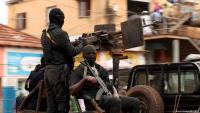
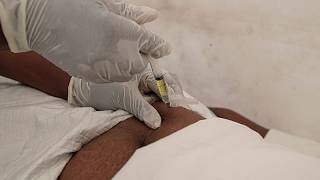
Last update: 3 hours agoHepatitis B Study Halted: A controversial trial that would have delayed the hepatitis B birth dose for thousands of newborns in Guinea-Bissau will not proceed, a researcher said, after the government withheld approval. Judicial police searched the Bandim Health Project’s offices and seized vaccine doses as part of an investigation; police said the seizure does not indicate a problem with vaccine quality or safety. Polio Progress: Guinea-Bissau was among five African countries that closed type 2 poliovirus outbreaks in August. The WHO says more than 168 million children across 22 African countries received polio vaccine between January and September, but warns funding shortages could threaten eradication efforts.
Note: AI summary from news headlines; neutral sources weighted more to help reduce bias in the result. Feedback is welcome. Please let us know if you have any comments or suggestions about the AGP Executive Report.
 Perspectify News